
In early 2005 I was living in Colombia and working as a freelance journalist for a trade magazine in London, reporting on the Latin American pharmaceutical markets.
That February I flew to Brazil for a couple of weeks to interview the CEOs of various pharma companies and NGOs.
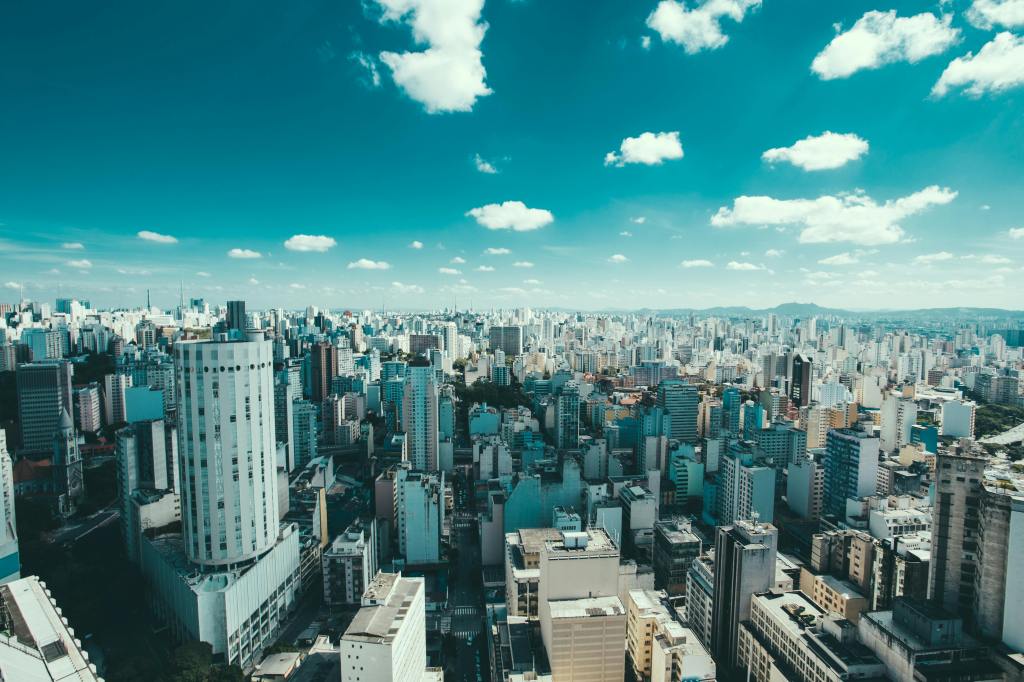
I have a whole branch of my family who live in São Paulo, so I stayed with them and used the trip as an opportunity to get to know them better.
When I wasn’t doing interviews and networking, I had a great time exploring this immense city with my cousin Simone, an English teacher, and meeting her friends and the rest of my extended family.
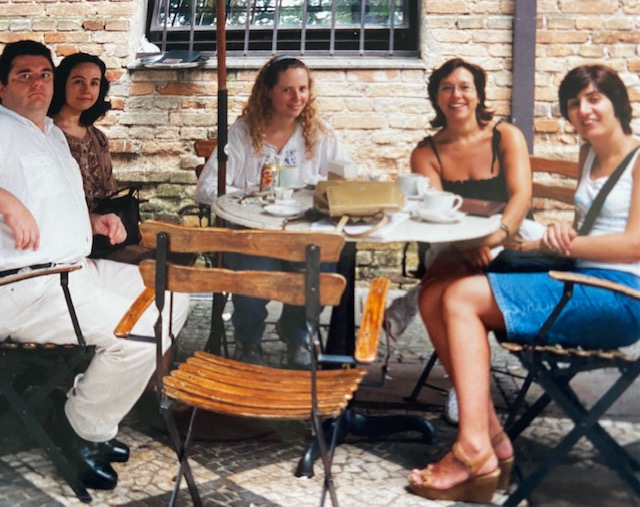
After a few days, Simone asked me if I’d like to go to Rio de Janeiro with her for the weekend. Of course, I said yes.
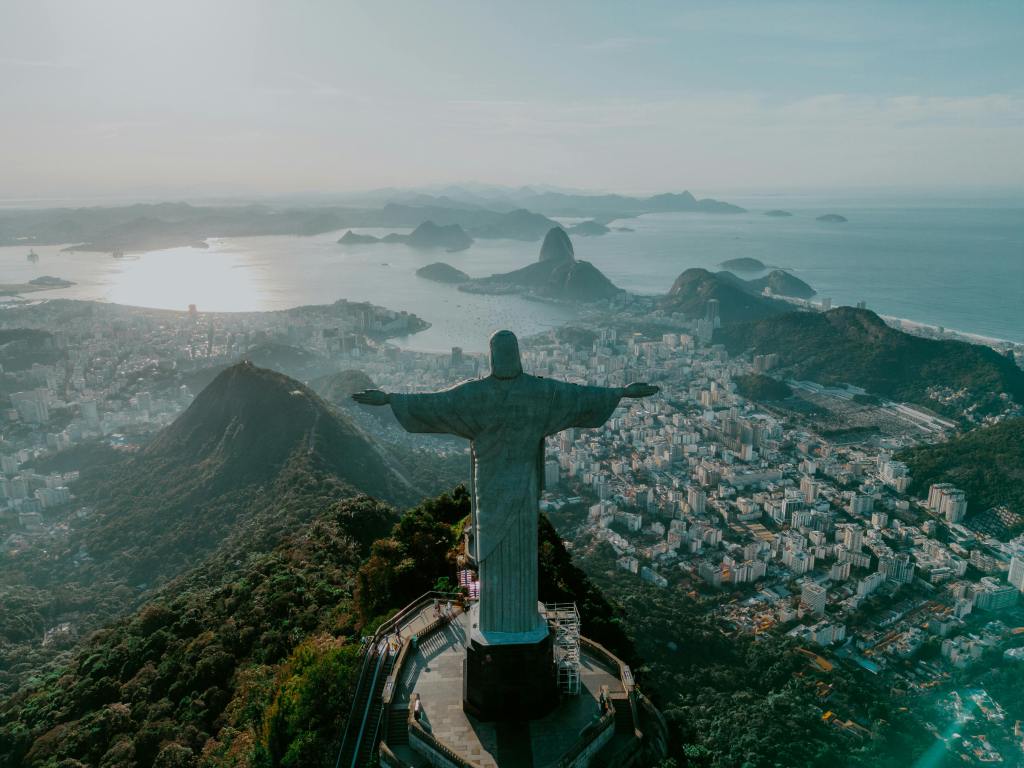
Rio’s wonders, such as its beaches, the Sugarloaf and the Corcovado mountains, are surely on every South American traveller’s bucket list – and they were certainly on mine.
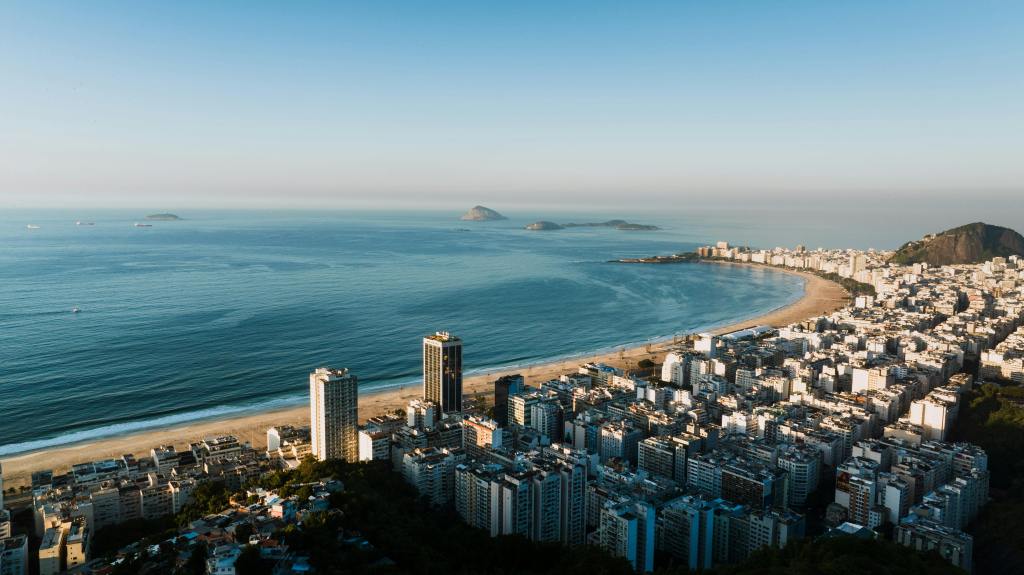
We took an overnight bus from São Paulo and checked into our hotel, the Copacabana Praia – a stone’s throw from the famous beach – early on the Saturday morning.
Simone had booked a bus tour starting later so in the meantime, we decided to walk down to Copacabana and take a look around.
Before we left the hotel, I carefully locked my passport, credit card and some cash in the safe in our room.
Simone had her handbag with her so I also took mine: a small black shoulder bag, containing my (cheapish) Canon Zoom camera, sunglasses and some sunscreen. I tucked it under my right arm.
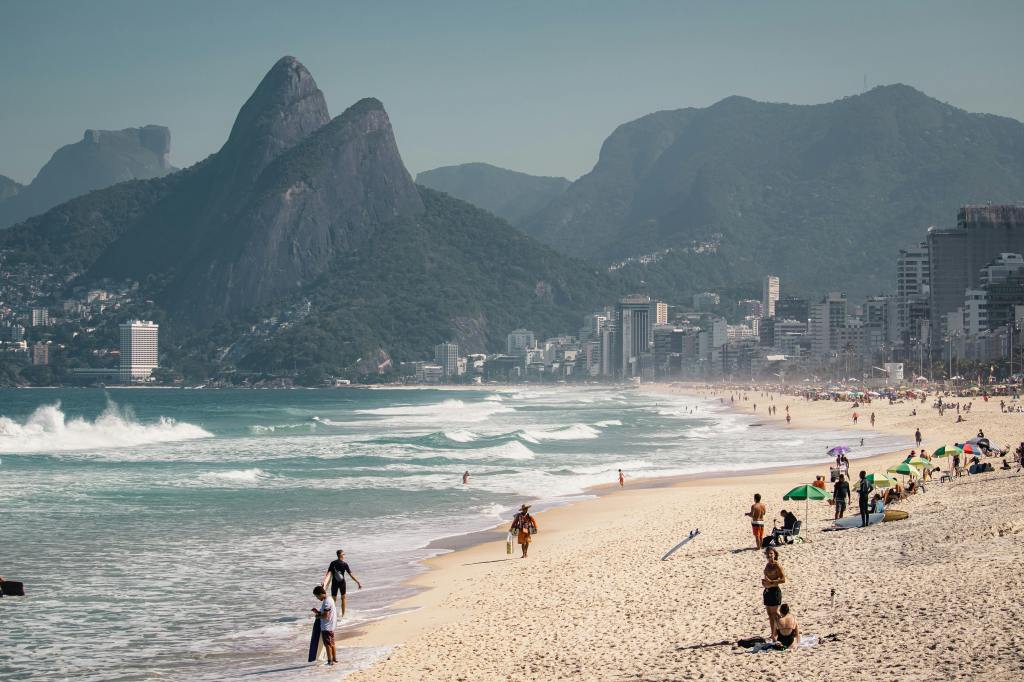
After admiring the beauty of Copacabana, we turned around to walk up to Ipanema beach, which was about a 20 minute walk down the road where our hotel was.
The road was a quiet, respectable, mostly residential street with a few cafes and restaurants that were, naturally for 8 o’clock on a Saturday morning, all closed.
It certainly didn’t feel unsafe as we walked along, chatting about Simone’s imminent trip to Europe.
We were almost at Ipanema when suddenly, a big guy sprang out of nowhere and grabbed my right arm and handbag, attempting to pull it off me, while saying something in Portuguese.
I didn’t understand what he was saying but my gut reaction was to resist, and pull my handbag back.
It was only then that I realised he was holding a huge knife against my upper chest and throat. I completely froze with fear.
I managed to ask Simone what he was saying and she said “give him the bag!”. I did so – and he walked off nonchalantly, as if nothing had happened.
I remember him looking back at me with a smirk on his face.
Immediately Simone said she had to phone the police. An old man, who must have seen everything but kept his head down, was watering his plants in a garden opposite.
Simone asked him if he could call the police for us but he pointed to a “Police kiosk” the next block down, by the beach, from where we could call the police.
(I later found out that Police kiosks are, or were, apparently on every block in Rio so, in case of emergency, you go to the local kiosk and they call the nearest police car in the area.)
I asked Simone what the man had said, and she turned to look at me.
“Judith, you’re bleeding! You need to go to the hospital!”
I looked down. The handbag thief had cut me with his knife.
I couldn’t see all of the wound but the blood was coming from a cut on my chest, below my right collar bone.
Welcome to Ipanema…
We both started running towards Ipanema beach, which was about 100 yards ahead.
There was a stand by the beach selling drinks and Simone asked the two young guys there if they could give me some ice for the bleeding while she went to call the police.
So I stood there, in that stand on Ipanema beach, clutching a big block of ice, blood dripping over my hands and down my vest-top, laughing and crying at the same time, trying to take in what had just happened.
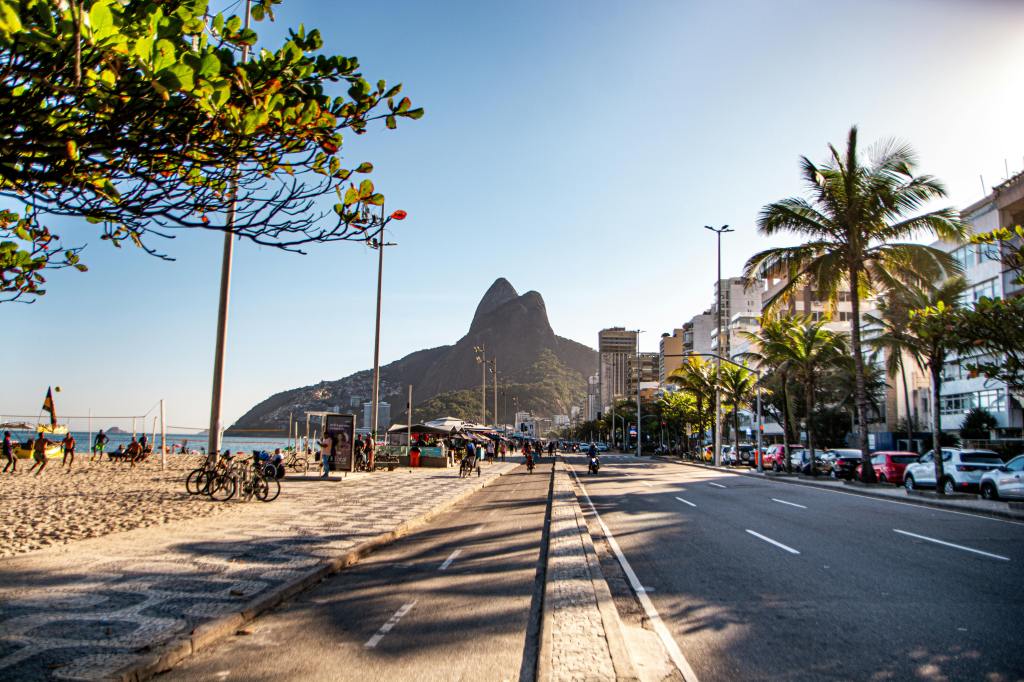
Photo by Willian Laureano
Not long after, a police car pulled up by the stand and slammed on the brakes.
Two policemen got out and gestured at me to come with them. I hesitated – after all, who were they? Simone was my guide and interpreter, and she’d told me to wait for her at the stand.
However, a woman passing by, who spoke English, explained to me that the police were saying that they’d go and pick up my cousin.
No sooner had I got in and closed the door than they sped off, did a very sharp U-turn and I saw Simone standing on the next corner.
She got in and we were off again, siren blasting, dodging in and out of traffic and through red lights like in a film. I remember thinking that it all just felt so surreal.
Never mind being knifed, I thought. We’re going to die in a car accident!
Fortunately, we arrived at our destination – a large, public hospital – in one piece. Simone told me that she had to fill in some paperwork for me downstairs, so I should go upstairs with one of the policemen to Accident & Emergency.

It was awful up there. I found myself in a large room surrounded mostly by old men lying on hospital beds, sparsely covered – some of them were naked – moaning and groaning.
Eventually, someone brought a wheelchair over to me and instructed me to sit in it.
A doctor then wheeled me about two metres across the room, took away the ice block and blood-soaked cloth I was still holding against the wound and exchanged it for a wad of padding.
I understood that I was going to be taken for an X-ray to see if there was any internal damage, and to sit and wait there until they were ready.
The sights of Rio?
Meanwhile, I didn’t know where to look. On one side of me, doctors were picking bits out of the leg of a man, with big tweezers. If I looked the other way, I had an old man lying on a bed partially covered by a sheet, but with his private parts hanging out.
Not really what I’d come to Rio to see.
Luckily, someone soon wheeled up a metal trolley and told me to lie down on it. So I lay there for a bit looking at the ceiling (I suppose it was better than looking anywhere else, given what surrounded me).
Eventually Simone appeared by my side and told me that after the X-ray they would probably give me some stitches.
Thankfully, the X-ray showed no internal damage – it was just a superficial wound.
But then it was time for the stitches. They sat me down on a chair facing the wall at the end of the ward while a doctor got his equipment ready – a huge needle, wire – ugh, I couldn’t bear to look at it.
He then started to administer anaesthetic all around the wound, which was quite painful, and I’m a bit needle-phobic anyway. Almost immediately after, he started stitching.
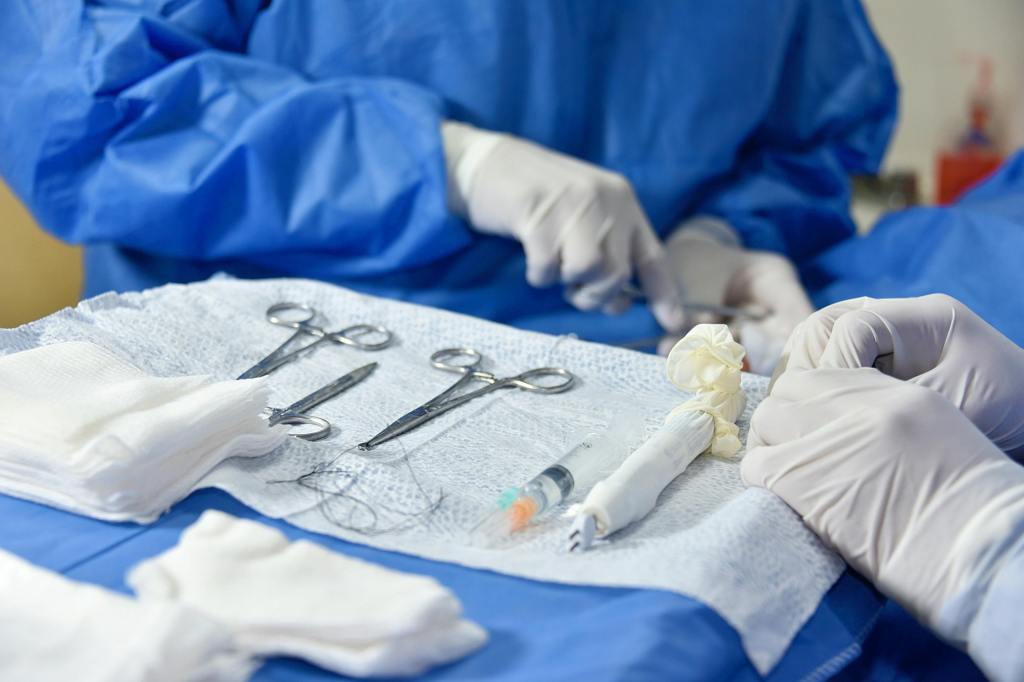
I clutched Simone’s hand and closed my eyes really tightly every time he made a stitch.
Then I noticed that Simone was looking pale.
“I’m really sorry Judith, I think I’m going to faint! I need to go outside and get some fresh air.”
She asked one of the female nurses – the one who was cutting off the wire after the stitches had been made – to hold my hand instead while she went off to recover.
Nine stitches later, the doctor covered the wound with gauze and micropore, and we were free to go.
By that time, the two policemen who’d been with us had been replaced by two other policemen, who told Simone they’d wait downstairs to take us to the “Tourist Police Station” to report the crime. So we went downstairs to find them.
I felt a bit weak and wobbly, more because of having had stitches than anything else. We found the two officers outside, washing the police car.
A nice trip…to the Tourist Police Station
They drove us to the Tourist Police, cheerfully pointing out some sights on the way: “this is the jockey club, this is hotel so-and-so” etc – but I can’t say I was taking too much notice.
We spent the next couple of hours filing a report at the police station. While we were there, two other tourists came in to report crimes.
One was a Danish guy who’d had all his money stolen, didn’t have a centavo left and didn’t know what to do as the Danish Consulate was in Brasilia. The other was a Welsh backpacker who’d had his camera stolen.
The police said that while it was normal (obviously) for tourists to be robbed in the street, it wasn’t so normal for a tourist to be wounded like I was.
But Simone thought the thief hadn’t meant to injure me – he’d held the knife against my chest and throat to threaten me, but because I’d resisted giving him the bag, he’d tightened his grasp and, in the tussle, the knife had cut me.
Well, that was the morning gone…
After the police drove us back to our hotel, you’d have thought we could start relaxing and maybe get on with our day (or afternoon, by that time) – but no.
I wanted to speak to my husband in Colombia but we didn’t know how to dial abroad from the phone in our room.
We also had another problem.
As I said before, I’d locked my valuables in the safe. This was in the days before digitised combination locks….and the key to the safe was in my handbag.
Simone went downstairs to ask the man behind the desk about getting into the safe. He sent two men up with a drill, because of course there was no spare key.
He also mentioned that they usually charged US$100 for this “service”. When Simone argued that it was hardly our fault that I’d been robbed and lost the key that way – she even brandished my X-ray as proof – he said he’d give us a “discount” and we’d only have to pay $80.
How very sweet of him.
It took two hours for them to drill the safe open, so we spent most of the afternoon in the room waiting for them to finish and grazing on snacks from the minibar, as we hadn’t eaten anything since breakfast.
I didn’t know what to do after that because honestly, the last thing I felt like doing that day was sightseeing. And that’s what we’d come to Rio to do after all.

Simone said we could return to São Paulo that evening if I wanted, but it seemed a waste to go all that way, get robbed and then just leave, when the only things I’d really seen in Rio were a public hospital and a police station!
So we decided to stay until the next day as planned, and Simone booked us a private tour in a car for the next morning.
“It seemed a waste to go all that way, get robbed and then just leave, when the only things I’d really seen in Rio were a public hospital and a police station”
Simone had a cousin – not related to me – who lived in Rio so we arranged to go out for a drink with her and her husband that evening after we’d had a meal and rested.
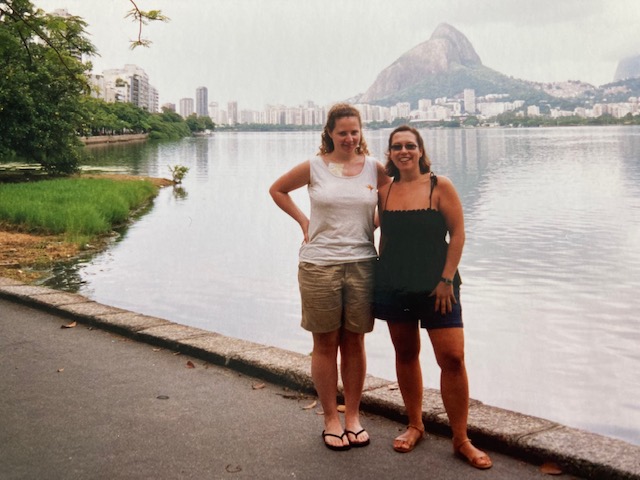
They picked us up at the hotel and took us to the ‘lagoa‘, a huge lagoon in the middle of the city overlooked by the Corcovado, where we had a very enjoyable evening. They were lovely people and were absolutely appalled to hear my story.
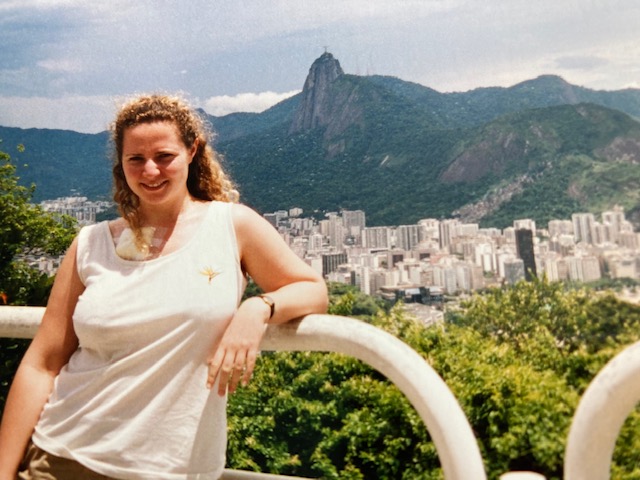
The next day Simone and I did the private tour. We ascended the spectacular Corcovado mountain and posed for photos in front of Christ the Redeemer at the top, and took a cable car up the Sugarloaf, among other things.
We returned to São Paulo that night, where I was very well looked after by my Brazilian family, who were shocked and upset at what had happened. I remember Simone’s mum, Betty, giving me some Reiki to help heal my wound.
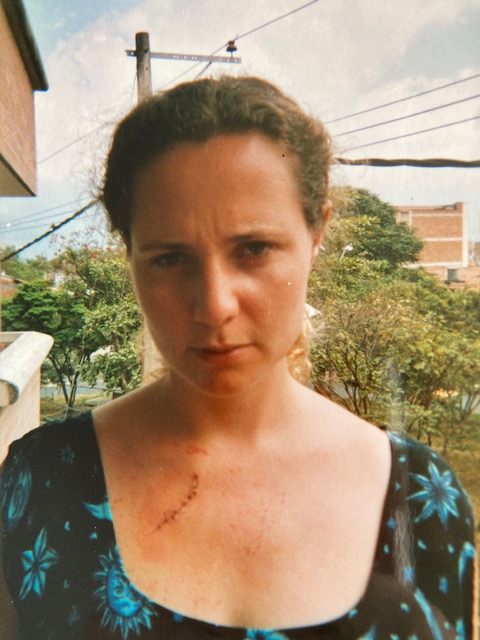
It did heal eventually, although for several months I had to keep it covered and out of sunlight. Of course, I still have the scar, 20 years later.
I also managed to claim for my camera and handbag through my travel insurance, thanks to the police report. Fortunately I didn’t have to pay a penny – or even a centavo – for my hospital treatment.
Would I go back to Brazil? Absolutely, to visit my lovely family again, and I’m aware that there are many more beautiful places to visit.
I think I’ll leave my handbag at home next time, though.
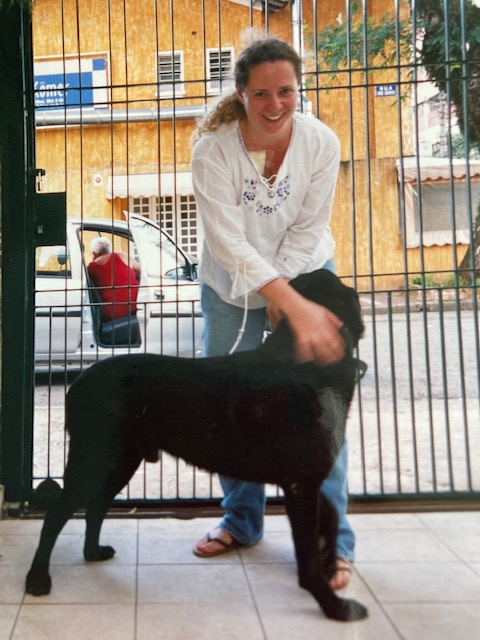
Disclaimer: This is just my personal experience of Rio de Janeiro. I know people who’ve been to Rio, had an amazing time and come home completely unscathed. You can be mugged (or worse) anywhere. Brazil is an extraordinary country and I don’t want to put anyone off going there. I was just unlucky – but incredibly grateful to Simone and my Brazilian family for their care and support.
Hopefully you haven’t, but if you’ve ever had a similar experience abroad, I’d be interested to hear about it – leave me a comment!
 Judith Zerdin